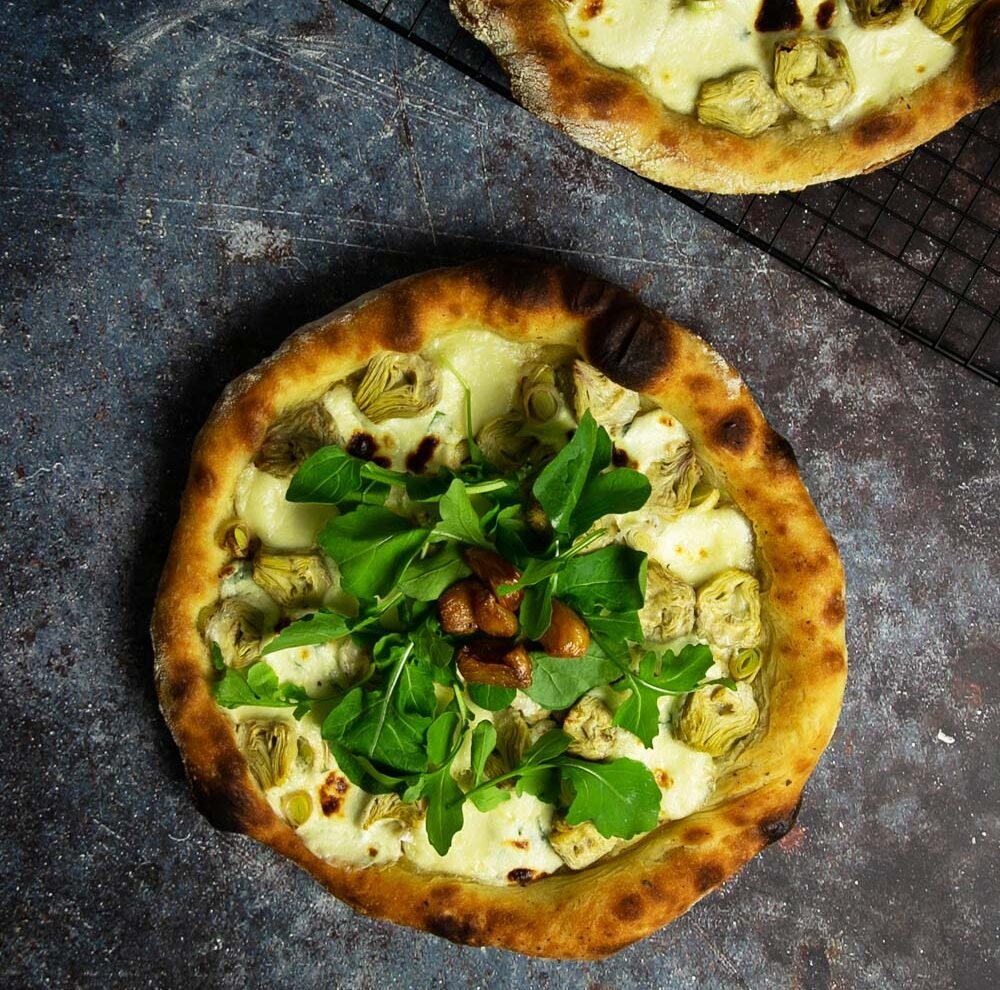
Craving a slice of cheesy goodness while adhering to a ketogenic diet in the city that never sleeps can feel like a delicious paradox. Finding genuine keto friendly pizza options in Manhattan, amidst a sea of classic New York-style slices, demands a smart, informed approach. It’s not about deprivation; it’s about strategic choices and knowing precisely what to look for to keep your carb count low without sacrificing that satisfying pizza experience.
At a Glance: Mastering Keto Pizza in Manhattan
- Crust is King (or Queen): Always prioritize cauliflower, chicken, or Fathead-style crusts. Gluten-free doesn't automatically mean keto-friendly.
- Question Everything: Don't hesitate to ask restaurants about crust ingredients, sauce carbs, and topping preparations.
- National Chains Can Help: Brands like Blaze Pizza or California Pizza Kitchen often have explicit keto crust options.
- Local Gems Require Research: Smaller, health-conscious, or build-your-own eateries might offer adaptable solutions, but verify ingredients.
- Topping Power: Load up on approved meats, cheeses, and low-carb vegetables; they're your keto allies.
- Homemade is Always an Option: Consider crafting your own keto pizza for ultimate control over ingredients and macros.
Decoding the Keto Pizza Blueprint for NYC Indulgence
The ketogenic diet thrives on very low carb intake, typically under 50 grams of net carbs daily, pushing your body into a fat-burning state called ketosis. When it comes to pizza, the traditional high-carb dough is the primary challenge. Overcoming this involves intelligent substitutions for the crust, careful sauce selection, and a generous hand with keto-approved toppings.
Crust Alternatives: Your Foundation for Flavor
True keto crusts are game-changers. Cauliflower crusts, made from riced cauliflower, eggs, and cheese, are common and can be surprisingly sturdy. Chicken crusts, crafted from cooked shredded chicken or mince, offer a protein-packed base. Fathead dough, a combination of almond or coconut flour, mozzarella, cream cheese, and egg, provides a more bread-like texture. Remember, a "gluten-free" label is a red herring for keto; many gluten-free crusts use high-carb flours like tapioca or rice, which are not keto-compliant. Always verify the actual ingredients.
Sauce Smarts: The Unsung Hero
While often overlooked, many commercial pizza sauces contain added sugars. Opt for sauces with minimal ingredients—organic tomatoes, olive oil, and herbs are ideal. Aim for a sauce that provides 3 grams of net carbs or less per 1/4 cup. Some pizzerias might offer olive oil and garlic as a base, which is an excellent low-carb alternative to traditional marinara.
Topping Tactics: Pile on the Goodness
This is where keto pizza truly shines. Cheese is a given, with low-moisture mozzarella, Parmesan, Provolone, and even Goat or Feta being excellent choices. For vegetables, think spinach, olives, mushrooms, bell peppers, jalapeños, artichokes, and arugula. Protein toppings like pepperoni, sausage, bacon, grilled chicken, and anchovies not only taste great but also provide essential macros to keep you satisfied.
Navigating Manhattan's Keto-Friendly Pizza Scene: Where to Look
Manhattan is a culinary melting pot, and while classic New York slices dominate, a growing awareness of dietary needs means keto options are becoming more accessible. The key is knowing where to direct your search and what questions to ask.
National Chains with a Keto Edge
You might be surprised by how many larger chains have adapted their menus. These often provide the most transparent nutritional information online, making your choices easier.
- Blaze Pizza: With multiple locations across Manhattan (e.g., near Union Square, Times Square, Kips Bay), Blaze is a top contender. They explicitly offer a "Keto Crust" made from cauliflower, flaxseed, and eggs, boasting around 6g net carbs per slice. You can customize with low-carb sauce and a wide array of keto-friendly toppings like mozzarella, grilled chicken, pepperoni, mushrooms, and spinach.
- California Pizza Kitchen (CPK): While not as ubiquitous as Blaze, CPK has a presence (e.g., at Columbus Circle, Midtown East). They typically offer a cauliflower-based crust. Always check their specific menu and ask staff to confirm ingredients and potential hidden carbs in their sauces or specialty pizzas. Stick to simple toppings and minimal sauce if unsure.
- Papa John's & Domino's (The Thin Crust Caveat): While these chains offer "thin crusts," it's crucial to understand that these are generally lower-carb, not keto-friendly. A thin crust from Domino's or Papa John's can still pack around 6g net carbs per slice, meaning a few slices can quickly put you over your daily limit. Papa John's also has a cauliflower crust, but always verify its specific ingredients and net carb count, as recipes can vary or include non-keto flours. These are best used with extreme caution and portion control, or as a last resort.
Uncovering Local Gems and Adaptable Eateries
Manhattan's independent food scene offers exciting possibilities, though they require a bit more legwork.
- Health-Focused Cafes and "Build-Your-Own" Concepts: Look for establishments that emphasize fresh, customizable meals. Imagine a spot in Flatiron or Chelsea offering build-your-own bowls or salads where you can ask for a base of robust greens and pile on pizza-like toppings: mozzarella, pepperoni, olives, and a drizzle of olive oil. Some might even experiment with "protein crusts" if you inquire.
- Artisanal Pizzerias (The Ingredient Detective): Certain upscale or health-conscious pizzerias in neighborhoods like Greenwich Village, Tribeca, or the Upper West Side might feature unique crust options. Their "gluten-free" crusts still require scrutiny, but some might genuinely use almond flour or a proprietary cauliflower blend that is keto-compliant. Don't be shy; ask your server directly about the crust ingredients and net carb count. Frame it positively: "I'm looking for very low-carb options, can you tell me what's in your gluten-free crust?"
- Specialty Food Markets & Prepared Foods: High-end grocery stores or markets with prepared food sections (like Whole Foods or similar local delis) occasionally offer pre-made keto crusts or even individual keto pizza slices. These are grab-and-go friendly and usually have ingredient labels for easy verification.
The "Deconstructed Pizza" Approach: Getting Creative
Sometimes, a direct keto pizza isn't available, but you can still get the flavors.
- Pizza Salad: Many restaurants offer customizable salads. Order a large bed of greens, ask for mozzarella, pepperoni, mushrooms, olives, and a simple olive oil and vinegar dressing. It's all the toppings without the crust.
- Pizza Bowls/Platters: Some modern American or Italian-inspired restaurants might be able to create a "pizza bowl" – sauce, cheese, and your chosen keto toppings baked in a ramekin or served as a platter. This might require a conversation with the kitchen, but it's often doable in places proud of their culinary flexibility.
Your Personal Keto Pizza Checklist for Manhattan Dining
Before you order, empower yourself with this quick-reference guide.
- Crust Verification is Key:
- Ask: "Is your cauliflower crust solely cauliflower, eggs, and cheese, or does it contain other flours like rice or tapioca?"
- Confirm: "What is the net carb count per slice for your keto/low-carb crust?"
- Avoid: Anything labeled "gluten-free" without further ingredient clarification, as it's often a carb trap.
- Scrutinize the Sauce:
- Inquire: "Does your marinara sauce have added sugar, or do you offer a simple olive oil and garlic base?"
- Request: "Could I have very light sauce, or even sauce on the side?"
- Master the Toppings:
- Prioritize: Pepperoni, sausage, bacon, grilled chicken, mozzarella, Parmesan, olives, mushrooms, spinach, bell peppers, onions, jalapeños, artichoke hearts.
- Be Wary Of: Sweet glazes, barbecue sauces, or toppings that might be marinated in sugary liquids.
- Portion Control, Always: Even with a keto crust, calories can add up. Stick to 1-2 slices, depending on your daily macros. Remember, the goal isn't just low carb, but also overall caloric balance.
- Online Research Pays Off: Many Manhattan establishments have detailed online menus and nutritional guides. A quick search before you head out can save you time and potential disappointment.
For a broader understanding of how different dietary needs, including keto, fit into the pizza landscape, and to explore how other lifestyle choices are accommodated by diverse pizza options, you might want to Explore dietary pizza options. This deeper dive can offer valuable context for your specific keto journey.
Crafting Keto Pizza at Home: The Manhattan Apartment Edition
Sometimes, the most reliable keto pizza experience comes from your own kitchen. This is especially true in Manhattan, where apartment kitchens might be small, but ingredient access is vast.
- Sourcing Ingredients: Specialty grocery stores (like Whole Foods, Fairway, Morton Williams) across Manhattan stock almond flour, coconut flour, riced cauliflower (fresh or frozen), and quality cheeses. Farmers' markets offer fresh, low-carb vegetables.
- DIY Crusts:
- Cauliflower Crust: Combine riced cauliflower (squeeze out all water!), an egg, and mozzarella cheese. Press thin and pre-bake until firm.
- Fathead Dough: Melt mozzarella and cream cheese, then mix with almond flour and an egg. This dough is versatile and can be pressed or rolled.
- Chicken Crust: Blend cooked chicken breast with an egg and Parmesan, then press onto a baking sheet.
- Preparation Tips:
- Pre-bake your crust: This is crucial to prevent sogginess. Bake until golden and slightly firm before adding toppings.
- Drain watery ingredients: Pat dry mushrooms, spinach, or zucchini slices to avoid a wet pizza.
- Go light on sauce: Too much sauce can make the crust soggy and increase carbs.
- Full-fat everything: Use full-fat cheeses and sauces for better flavor and satiety.
- Season generously: Italian seasoning, garlic powder, and red pepper flakes elevate the taste.
Beyond the Slice: Creative Keto Pizza Alternatives in NYC
When a traditional crust isn't an option, or you're simply in the mood for something different, these alternatives hit the spot:
- Pizza-Stuffed Mushrooms: Large portobello caps baked with sauce, cheese, and mini pepperoni.
- Faux Pizza Frittata: A skillet bake combining eggs, cheese, sauce, and your favorite pizza toppings.
- Open-Faced "Deli Meat" Pizza: Use large slices of pepperoni or ham as a base, top with cheese and a tiny bit of sauce, then broil.
- Pizza Roll-Ups: Spread cream cheese or ricotta on deli meat (like ham or turkey), top with pepperoni and olives, then roll up.
Addressing Common Keto Pizza Questions
Let's tackle some frequent concerns and misconceptions head-on.
Q: Is all cauliflower crust keto-friendly?
A: Absolutely not. While cauliflower is the base, many commercial cauliflower crusts contain added flours like rice flour, tapioca starch, or corn starch to improve texture and workability. These additions significantly increase the carb count, rendering them non-keto. Always read the ingredient list meticulously or ask specific questions about the other flours used.
Q: What's the best keto crust option for a traditional pizza-like texture?
A: Fathead dough (made with almond flour, mozzarella, cream cheese, and egg) generally provides the most "bready" and closest approximation to a traditional crust texture. Cauliflower crusts are good but often thinner and crispier, while chicken crusts are distinctly savory and protein-rich.
Q: How can I be sure a restaurant pizza is truly keto and not just low-carb?
A: Honesty and direct questioning are your best tools. Explicitly state you are following a ketogenic diet and need to avoid all high-carb flours and added sugars. Ask for net carb counts if available. If staff seem unsure, it's often safer to opt for a "deconstructed" option like a salad or move on to a place with clearer keto offerings.
Q: Can I still enjoy pizza with non-keto friends without feeling deprived?
A: Absolutely! Many of the national chains (like Blaze) cater to both keto and traditional diners, allowing you to customize your order while your friends enjoy their preferred options. In other restaurants, embracing the "pizza salad" or "pizza bowl" approach lets you partake in the flavors and social experience without compromising your diet. Focus on the fellowship, not just the food.
Your Manhattan Keto Pizza Playbook: Smart Moves & Quick Wins
- Prioritize Transparency: For dining out, national chains with published keto menus (e.g., Blaze) are your safest bet due to ingredient transparency.
- Be an Ingredient Detective: When exploring local Manhattan pizzerias, always ask about all crust ingredients. "Gluten-free" is not a synonym for "keto."
- Control Your Carbs: Even with a keto crust, excess sauce and certain toppings can add up. Opt for light sauce and choose low-carb meats and veggies.
- Embrace Customization: Look for "build-your-own" concepts where you have maximum control over your pizza components.
- Home Advantage: For guaranteed keto compliance and flavor tailored precisely to your taste, making pizza at home remains an excellent, controlled option.
- Think Beyond the Slice: Don't limit yourself to traditional pizza. Deconstructed pizza bowls, salads, or creative crust alternatives can satisfy the craving just as well.
Navigating the NYC Pizza Scene with Confidence
Living a ketogenic lifestyle in Manhattan doesn't mean sacrificing the joy of pizza. With a clear understanding of keto principles and a strategic approach to menu navigation, you can find or create delicious, compliant options. It's about empowering yourself with knowledge, asking the right questions, and being creative. So go ahead, enjoy that keto-friendly slice (or bowl!) and savor the vibrant culinary scene that Manhattan has to offer, all while staying true to your dietary goals.